
01
Between impulse and understanding
Through different exercises, participants explored the difference between communication that happens impulsively and communication that comes after pausing, listening, and choosing words consciously.
June 1, 2026
Another nonviolent communication workshop reminded young people how powerful small words can be, and how a few seconds of reflection can make the difference between conflict and understanding.
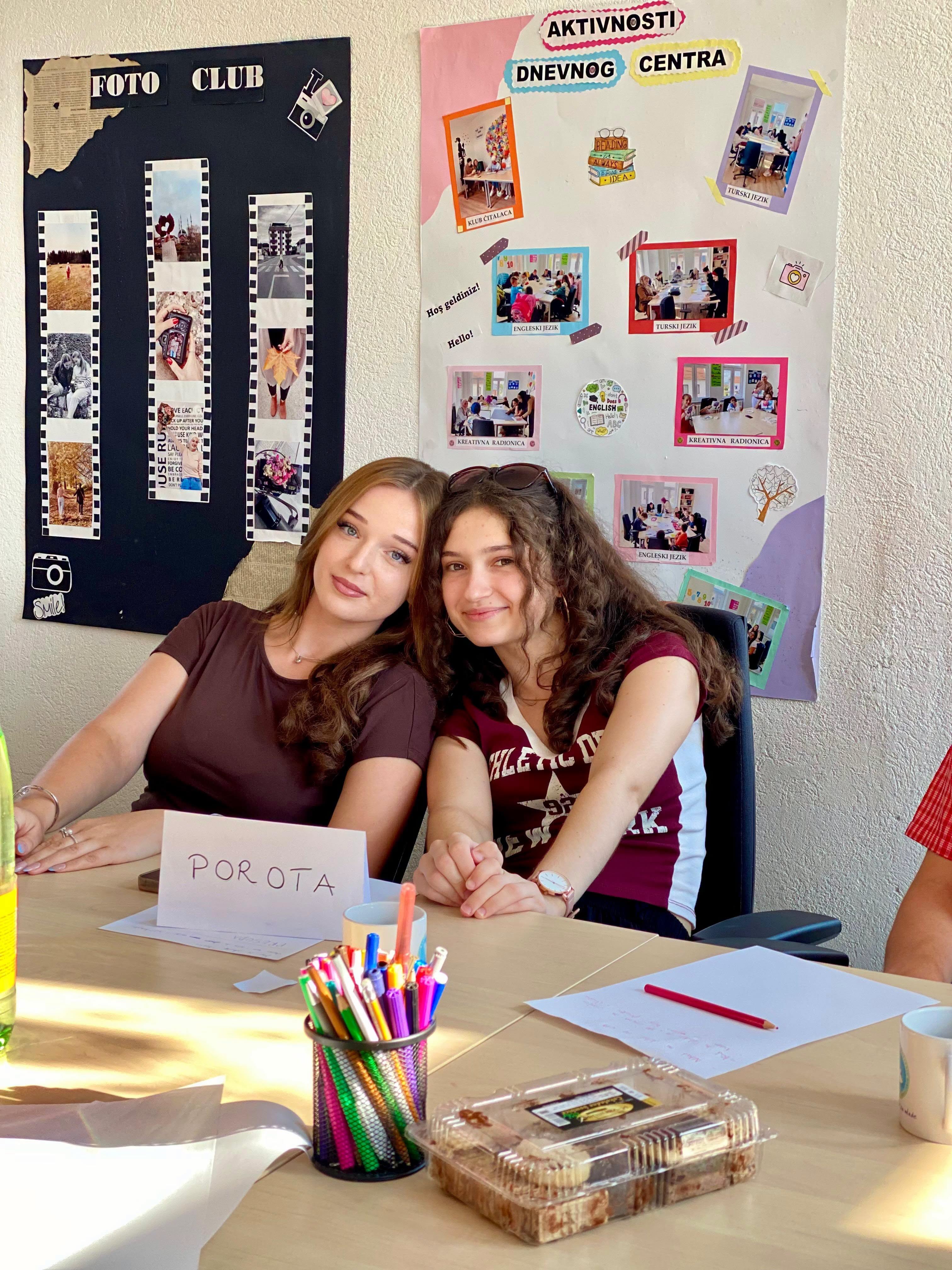
This workshop from the nonviolent communication series focused on everyday speech and its impact on relationships among young people. Through interactive exercises and the “Putting Words on Trial” activity, participants reflected on how words can intensify conflict and how more careful communication can lead toward understanding.
When a few seconds make the difference
Another nonviolent communication workshop is behind us, and once again we were reminded that even the smallest words can carry real impact. Through different exercises, we explored what communication looks like when we react impulsively and what changes when we pause, listen, and choose our words carefully.
Words on trial
One of the most engaging parts of the workshop was the “Putting Words on Trial” activity, where participants took on the roles of prosecution, defense, and jury. Together, we reflected on how a short, thoughtless sentence can be misunderstood, and how taking a little more time to express ourselves can make a message clearer, more honest, and more nonviolent.
CIM and the Institute for Youth Development KULT convened an October discussion on youth needs, challenges and participation in Sanski Most.
A group of young people joined a RISE international training course in Spain in February 2026, as documented in CIM's June project report.
During a 22 August visit to Sanski Most, EUFOR Commander Major General Maurizio Fronda also visited CIM's annual Peace Camp.
Through different exercises, participants explored the difference between communication that happens impulsively and communication that comes after pausing, listening, and choosing words consciously.
A particularly engaging part of the workshop was the “Putting Words on Trial” activity, where young people took on the roles of prosecution, defense, and jury to examine how words can be misunderstood.
The workshop showed that sometimes a few extra words, spoken with care and clarity, can help a message remain honest, nonviolent, and understandable.
The way we speak often determines how others hear us. When young people practice more careful speech and deeper listening, they create more space for understanding, trust, and healthier relationships.
The activities of the Youth Day Center are supported by the Municipality of Sanski Most.